Tips and Tricks
Find shortcuts and inspiration to run Movin'March more easily
"How to" videos
- All about Movin'March (link to "How to" videos/Movin'March overview)
- All about Te Haerenga data entry (link to "How to" videos/Te Haerenga)
Ideas and inspiration
- See our example of a Movin'March planning doc you can adapt and share with other teachers (coming soon).
- Use Te Haerenga to show comparative data in simple graphs (compare February with March or how students want to travel vs how they actually travel).
- See how Te Haerenga links to a statistics inquiry for all curriculum levels.
- Videos give teachers quick tips on Movin'March 2027 and how to enter travel data to create graphs (coming soon).
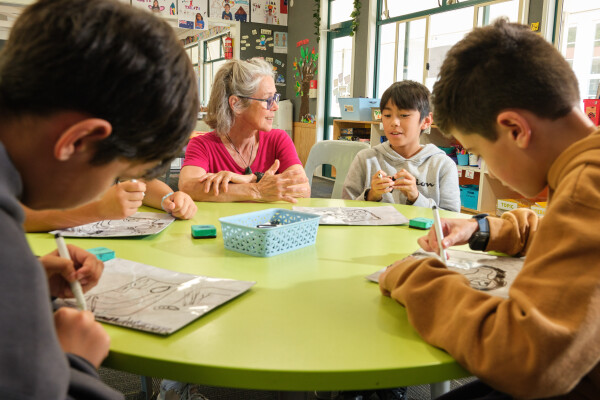
- Students can design their own posters.
- Check out our newsletters for whānau for content to copy or edit
- Sign up for teacher pānui so you get essential updates and links at the right time.
- Collect data in February as a way to lead-in to Movin’March.
- Put your wallchart up in early February and pick just 3 days to enter data into Te Haerenga.
- See short videos on how to enter and compare data
- View our statistics classroom resource to link to the curriculum in 2027.
- Consider other resources and themes that work especially well with Movin’March:
- See Classroom supportopen_in_new for more.

While there are no competitions or regional prizes in 2027, the walk or wheel prize packs provided along with wallcharts, stickers and passports are all the tools your school needs to get tamariki moving.
- Create your own class challenges, syndicate competitions, or tie into house points, using the wallcharts.
- Senior students or envirogroups can invent "privilege prizes" to spark enthusiasm and encourage whole-school participation (see walk or wheel ideas below).
- Set an individual challenge for creating the longest streak for active modes that could be celebrated.
- Encourage highly motivated students to aim high when setting their goals or to keep things inclusive, encourage a 'minimum goal' for those just starting out.
- Notice how the mode stickers on the wallchart create patterns or themes.
- Write or draw-in your modes if stickers run out.
- Adapt your wallchart to investigate other factors of interest such as noting sunny or rainy days under the date.
- Te Haerenga has the capability to show comparative data over time and between desired and actual travel in graphs. See our 'how to' videos for a quick guide.
- You can also download csv files to play with if you wish (such as adding weather factors) or create pie charts and additional graphs.
- See wallcharts for more.
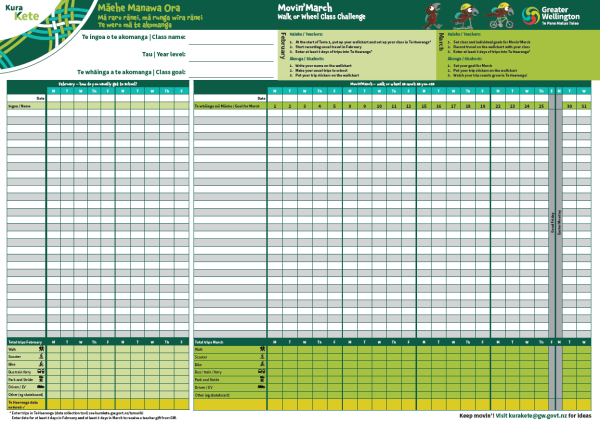 e wallcharts and stickers for more.
Passports are back, and this year they double-up as a handy bookmark! Passports are optional extras for schools to use internally only. You'll get these in your prize packs if you opted in to receive these when you registered. They're popular with junior students and schools can adapt how they use them to best suit their needs.
- Use passports alongside wallcharts and Te Haerenga to get the most out of Movin'March 2027.
- If you don't get enough passports for your school in your prize packs, go to our passports page in February to order more.
- Seniors or envirogoups can stamp passports at the gate or in class.
- Passports can be used to keep things inclusive, for eg create a system where senior students buddy with younger students and coordinate a playground activity before stamping their passport
- Consider creating a 'walkers tree' to display where students can see it during March. Their completed passports can be cut into leaves so students can see how their walking and wheeling creates a lighter carbon footprint and results in more leaves for the tree. See this story open_in_newfrom Greytown School to see how this activity ties to climate themes and messaging around why we do Movin'March.
- See passports for more.
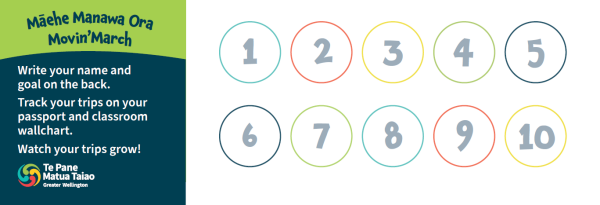
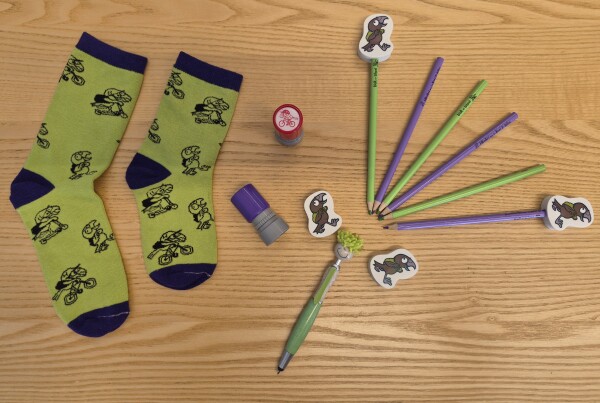
- Consider giving an equal share of spot prizes to each class so they can manage their own rewards.
- Let senior or envirogroup students give out spot prizes in school or syndicate assemblies.
- Award spot prizes for good behaviour (eg safety around school gate).
- Reward students who reach a milestone, eg five stickers in a row on wallchart or completing 5 or 10 passport trips.
- Make spot prizes go further by creating privilege prizes to be awarded (see "walk or wheel ideas" below).
- Reward students participating in Movin'March activities, a Park and Stride initiative, or joining a walking school bus.
- Set up a walking school bus to run once a week over March and see if you can continue into Term 2.
- See our walking school bus page for student leadership or project ideas.
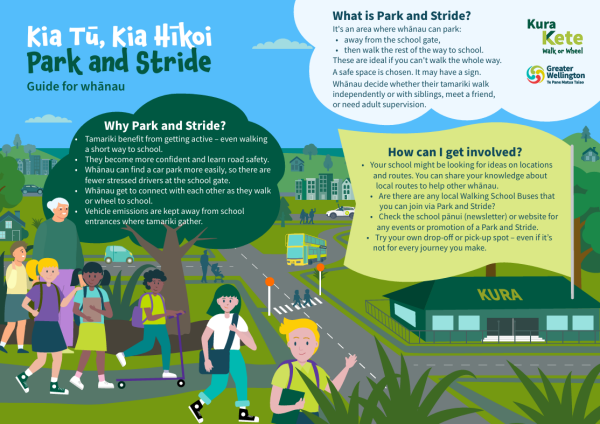
- Identify a ‘safe meet spot’ where families can meet and parents can help walk groups of students to school. See Park and Stride for more.
- Talk to your local council about finding a safe walking route.
- Promote in your school pānui to encourage parent volunteers.
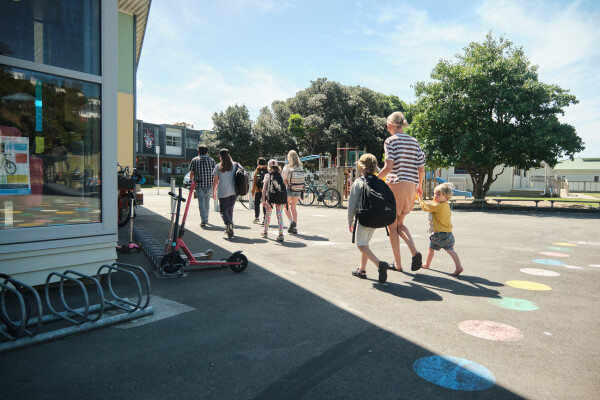
- Identify a safe spot to meet.
- Instigate "walking Wednesdays" or "freedom Fridays".
- Create a roster for teachers or parents to walk or wheel with students each week.
- Use spot prizes to encourage participation.
- Socialise participation by advertising in assemblies and in pānui for whānau. Highlight independence, community connection and noticing nature.
- Talk to your local council about the possibility of a sign to show a meeting area, to explore a safe route or creating a pou to use Park and Stride all year round.
- Link to a curriculum topic such as art.
- See our Park and Stride resource for more.
Celebration ideas:
· Fancy feet parade
· Bike-a-thon using school bike path or a local community bike path
· Combine a bike track ride or fancy feet with a fundraiser through sponsoring numbers of circuits or best dressed entry to involve whānau more
· Combine a Movin’March activity with something else so all students feel included (eg a 'colour run')
· See our resource page for creating certificates and other ideas.
Privilege prize ideas:
· This helps the spot prizes go further and creates healthy competition between classes.
· Senior students might want to brainstorm what privileges are valued and practical
· Some examples include:
o longer lunch hour
o fun activity during class time, eg bike around school track
o Movie in class (vote for favourite movie) with popcorn
o Create a quiz for your class around active travel
o Fun game during PE session
o Pyjama day
o Crazy hair day
o Dance party
o Outside classroom session, eg sensory collage